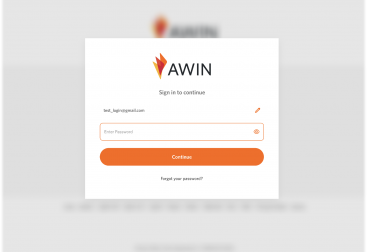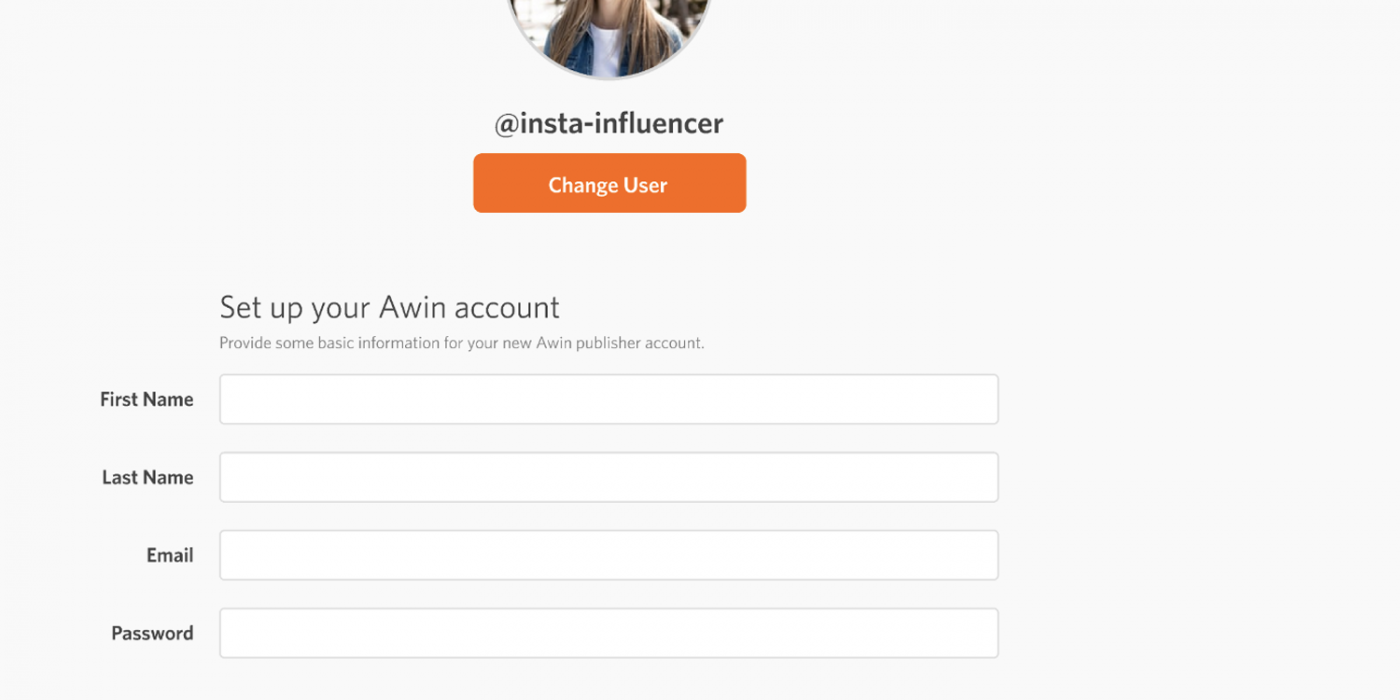
Influencers found the process of connecting to the platform difficult, so we introduced a way of linking up their Facebook account to get them onboarded quickly.
- Scope: UI Visual Design
- Role: Concept, Research & Visual Identity
- Tools: Figma & HTML
- Collaborators: Team Lead & Engineers

Concept for the split publisher screen
Existing Product & Problem
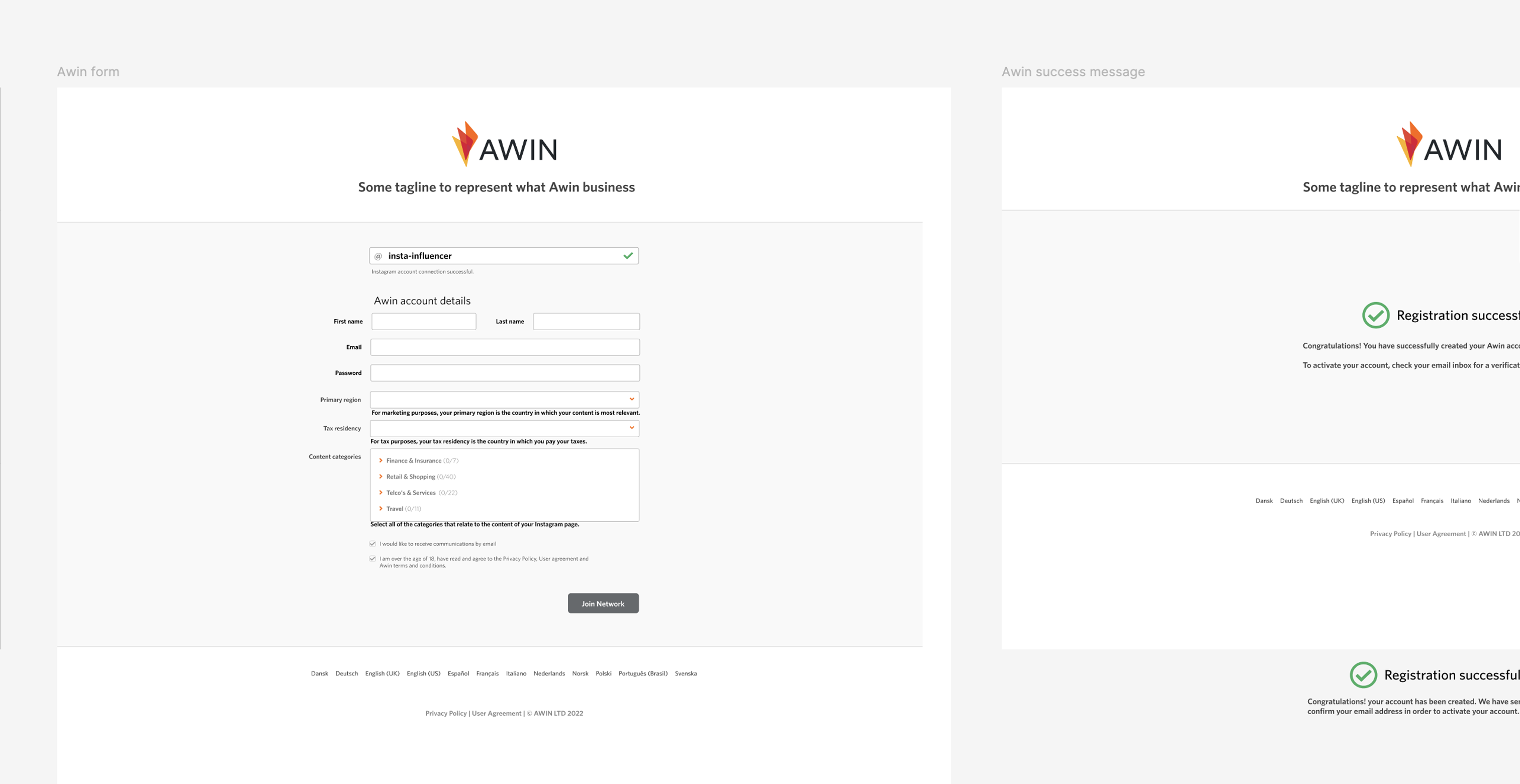
To attract influencers who want to quickly register and link to advertiser content, we aimed to simplify the lengthy registration form required for publishers. We needed an easier registration process to cater specifically to the influencer market.
Process
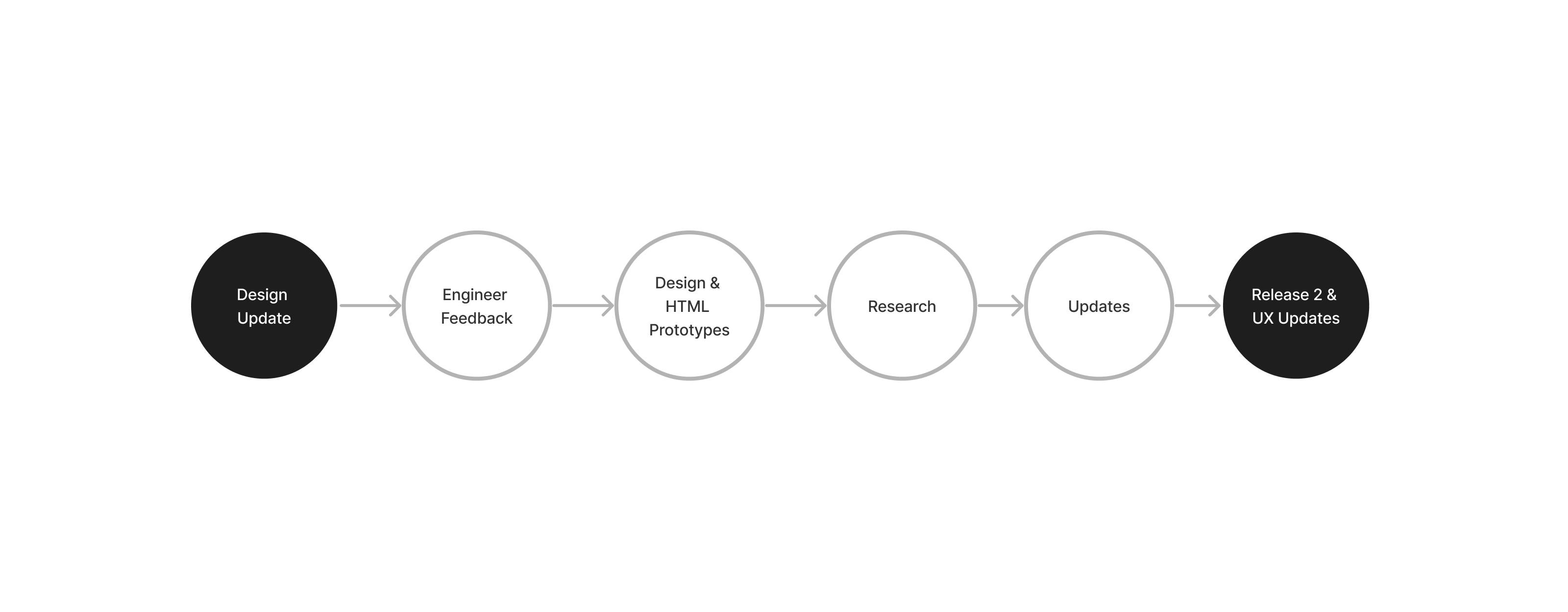
Initial Concept & Concerns
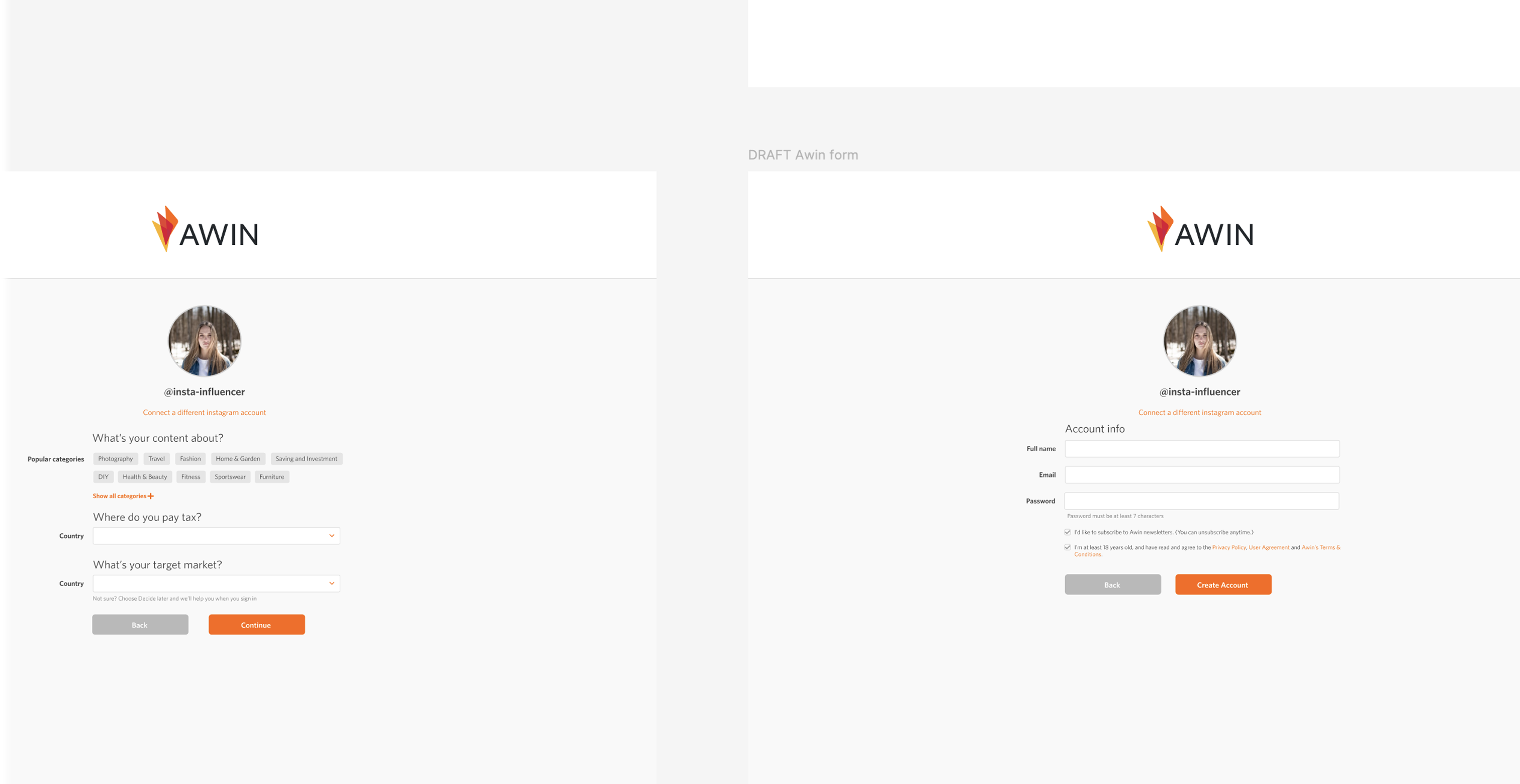
Initial concepts explored different UX sign-up flows. We presented these drafts to stakeholders to determine what information we needed from influencers for quick onboarding. We decided that a granular approach might seem longer on desktop but would be better on mobile. Since influencers need a tablet or desktop to connect their Facebook accounts, we included all required form fields on one page.
Ideation
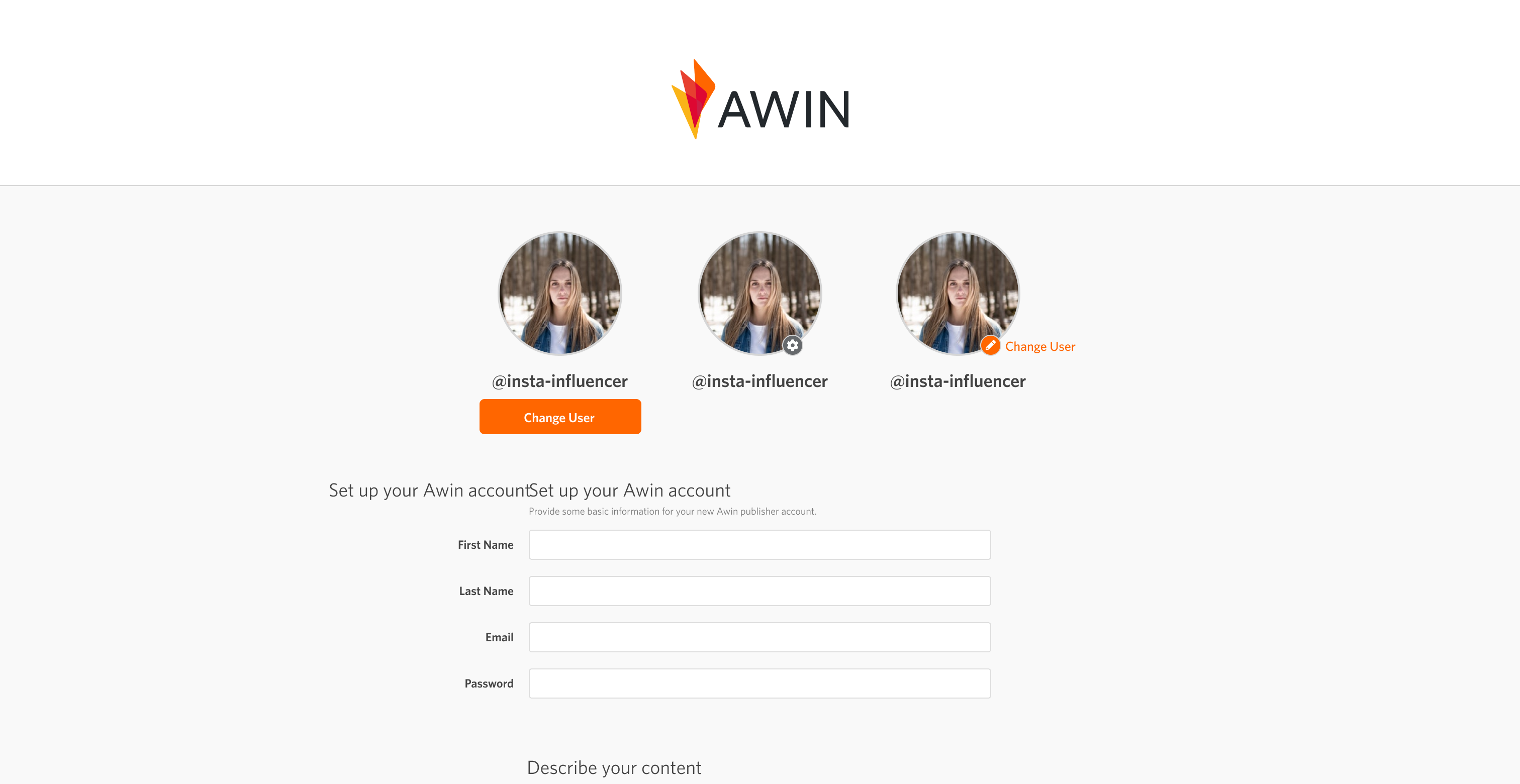
With feedback from stakeholders and influencers, I came up with components to simplify future account changes that a user might have, so they could switch between different social profiles.
We reused platform components in the form layout to save development time and ensure UI consistency. I collaborated with the UX writer for content readability and flow.
I then reviewed and updated user flows to incorporate any of the edge cases.
Outcome
[videojs_video url=”https://www.gd86.co.uk/wp-content/uploads/2024/06/influencer_signup.mov” autoplay=”true” controls=”true” loop=”true”]
We designed a UX allowing customers to connect their social accounts and sign up as publishers, streamlining influencer onboarding. Once launched, we onboarded many influencers, providing advertisers with a new type of publisher to work with.
Obstacle
The developers were able to link up to Facebook, which made it easier for customers to connect their accounts. They followed our style guide for CTA buttons, ensuring design consistency. However, Facebook suspended our approved setup, preventing user connections from our page. We had to integrate a supplied button and find a way to connect it.
Additionally, if an error occurred during the influencer’s Facebook account process, users were redirected to an error page without any indication of the cause.
Reevaluate & Improvement
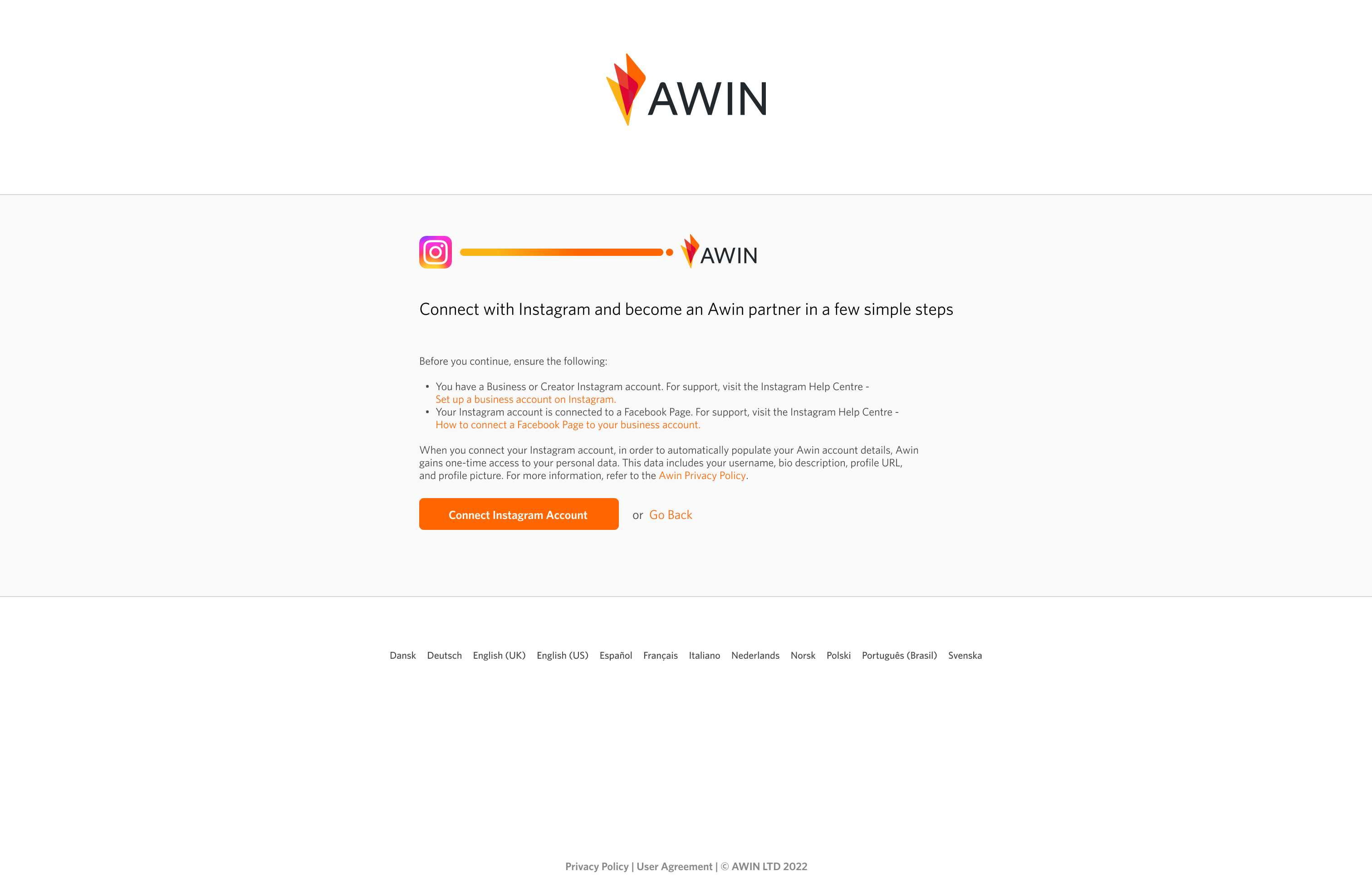
To improve the UX for influencers, I analysed user data and journey recordings. Heat maps showed that the main CTA was missed on mobile devices without scrolling. I moved it up, increasing usage.
Monitoring recordings revealed a need to enhance error pages with links to FAQs and helpful information. After implementing these changes, more customers successfully connected their social accounts.